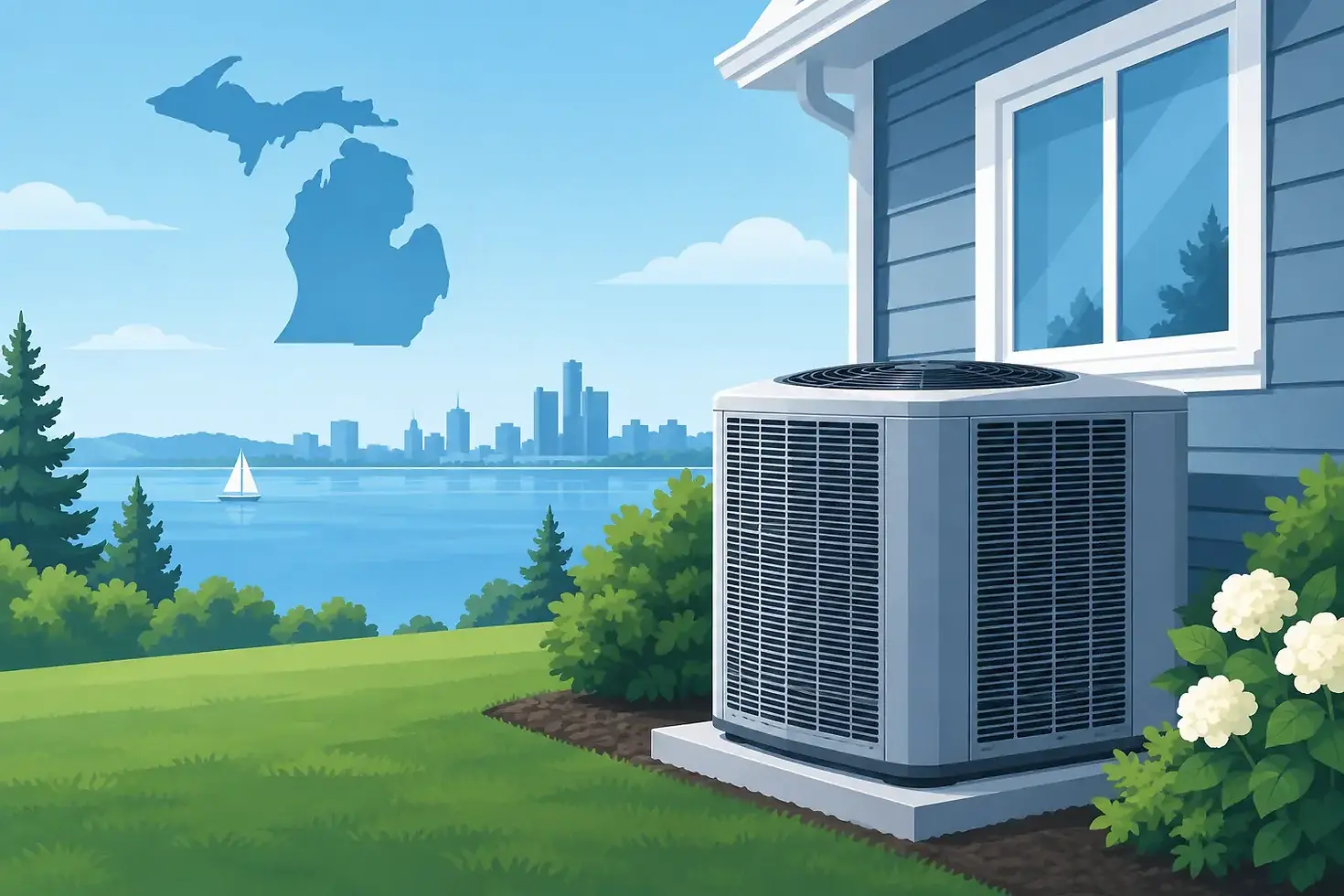
Air Conditioners for Michigan Homes That Perform
A Michigan summer can expose every weakness in a cooling system. When upstairs bedrooms stay warm, humidity lingers indoors, or the system runs constantly without delivering relief, the issue is not always age alone. Air conditioners need to be selected and installed for the home they serve - its size, layout, insulation, windows, ductwork, and the way your family uses each room.
For a new home, major remodel, or replacement project, the goal is not simply to install the largest unit available. It is to create dependable comfort with equipment that controls temperature and moisture efficiently through the season.
What Makes an Air Conditioner Right for Your Home
An air conditioner is part of a complete residential comfort system. The outdoor unit removes heat from your home, while the indoor equipment and ductwork distribute cooled, conditioned air. If one part of that system is poorly matched, even high-efficiency equipment can fall short.
Proper sizing is where expert planning matters most. An oversized unit may cool the home quickly but shut off before it has removed enough humidity. That can leave rooms feeling cool but clammy, create uneven temperatures, and increase wear from frequent starts and stops. An undersized unit may run for long periods on the hottest days and still struggle to meet the thermostat setting.
The right capacity depends on much more than square footage. A professional residential evaluation should account for ceiling height, insulation levels, window placement, air leakage, shaded areas, occupancy, and heat-producing appliances. In Michigan, the system also needs to work with your heating equipment, since both systems often share the same air handler and duct network.
Efficiency Should Match Your Goals
Efficiency ratings can help homeowners compare equipment, but the highest rating is not automatically the best choice for every project. Higher-efficiency air conditioners can reduce electricity use and may offer features such as variable-capacity operation, quieter performance, and stronger humidity control. They also typically require a larger upfront investment.
For homeowners planning to stay in the house for many years, investing in greater efficiency can make good sense. For a straightforward system changeout, a well-installed mid-range system may provide excellent value and dependable cooling. The best decision considers your comfort priorities, budget, expected length of ownership, and the condition of the rest of the HVAC system.
Installation Details That Affect Comfort Every Day
Equipment quality matters, but installation quality determines whether that equipment can deliver its rated performance. Refrigerant charge, electrical connections, condensate drainage, airflow settings, and thermostat configuration all affect how an air conditioner operates.
Ductwork deserves close attention during a replacement or renovation. Older ducts may leak conditioned air into attics, crawl spaces, or wall cavities. They may also be undersized for newer equipment or poorly balanced between floors. A home addition can create a similar challenge: the original system and ducts may not have been designed to cool the added space.
Addressing these conditions during the project can prevent the common frustration of replacing an air conditioner only to find that one room is still too hot. Depending on the home, the solution may involve duct modifications, return-air improvements, zoning, or a separate system for an addition or converted space.
New Construction Requires Early HVAC Planning
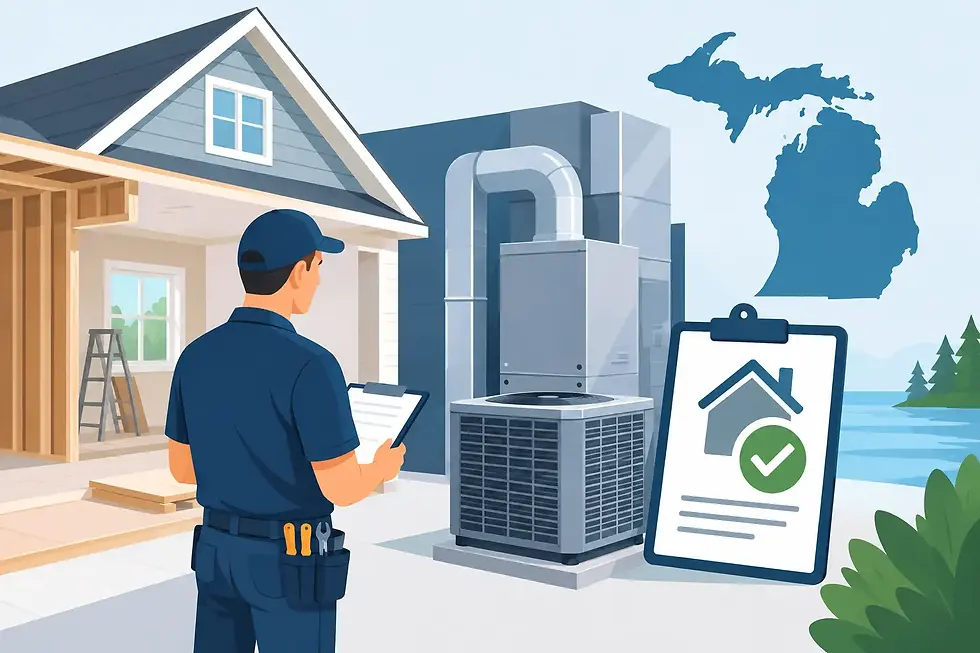
New construction provides the best opportunity to design comfort into the home before walls and ceilings are closed. HVAC planning should coordinate with the building envelope, floor plan, window selections, and architectural features.
Large great rooms, high ceilings, finished basements, second-floor bedrooms, and expansive glass can all change cooling needs. Planning early allows ducts, returns, and equipment locations to be designed around the home rather than forced into limited space later. It also helps builders and homeowners avoid avoidable compromises, such as cramped mechanical rooms or long duct runs that reduce airflow.
A well-planned system is easier to service, runs more efficiently, and supports more consistent temperatures from room to room. That matters long after move-in day.
When It Is Time to Replace an Existing System
Age is a useful starting point, but it should not be the only reason to replace air conditioning equipment. Many systems begin to need more attention after 10 to 15 years, particularly if they have required repeated repairs, use outdated refrigerant, or no longer cool evenly. Rising utility bills, unusual noise, weak airflow, and excessive indoor humidity are also signs that it is time to evaluate the system.
Replacement is an opportunity to correct problems that may have existed since the original installation. A homeowner may have lived for years with a hot second floor, a noisy outdoor unit, or a thermostat that never seems accurate. Those issues deserve investigation before selecting a new unit.
If the furnace or air handler is also nearing the end of its service life, replacing both components together may be the practical choice. Matched indoor and outdoor equipment is designed to operate as a system. Keeping an older indoor component can sometimes limit the efficiency, capacity, or warranty options of a new outdoor unit.
That said, full replacement is not required in every situation. The right scope depends on equipment condition, compatibility, budget, and the goals of the project. Clear recommendations should explain the trade-offs rather than push a one-size-fits-all answer.
Better Cooling Also Means Better Humidity Control
Michigan homeowners often think about cooling in terms of temperature, but humidity has a major effect on comfort. At the same thermostat setting, humid air feels warmer and heavier than drier air. It can also contribute to musty odors, condensation, and discomfort in lower levels of the home.
Properly sized equipment helps by running long enough to remove moisture. Variable-speed blowers and variable-capacity systems can provide more consistent operation at lower output, which may improve humidity management during milder but muggy weather. In homes with persistent moisture concerns, whole-home dehumidification may be worth considering as part of the overall climate-control plan.
Humidity solutions should be based on the source of the problem. A basement moisture issue, air leaks, poor drainage, and inadequate cooling performance can each require a different response. The most effective approach looks at the whole home instead of asking the air conditioner to solve every comfort issue on its own.
Simple Habits That Support Efficient Cooling
Even a professionally installed system benefits from regular attention. Keep outdoor equipment clear of leaves, grass clippings, and stored items so it can release heat properly. Replace or clean filters on the schedule recommended for your system and household. A clogged filter restricts airflow, which can reduce comfort and add strain to equipment.
Set the thermostat to a realistic temperature and avoid large, repeated adjustments. Smart thermostats can be helpful when programmed around your household routine, but convenience features should not replace proper system design. Closing too many supply registers is also a common mistake. It can disrupt airflow and create pressure problems in the duct system.
Seasonal professional maintenance helps identify concerns before the peak cooling season. A technician can verify electrical components, refrigerant performance, drainage, airflow, and overall operation. This is especially valuable before a system reaches the point where a small issue becomes an untimely breakdown.
Plan for Comfort Before the Heat Arrives
The best time to make an air conditioning decision is before a heat wave turns it into an emergency. Whether you are building, remodeling, or replacing aging equipment, start with a conversation about how your home feels now and what you want it to feel like in the years ahead.
Four Seasons Heating & Cooling LLC helps Michigan homeowners plan residential systems around efficient performance, dependable operation, and the specific needs of the home. A thoughtful evaluation can turn a replacement project into a lasting improvement in comfort.
Comfort should not be limited to the rooms closest to the thermostat. With the right equipment, careful design, and professional installation, your home can stay cooler, drier, and more enjoyable when Michigan summer arrives.

Comments