
HVAC Installation for Reliable Home Comfort
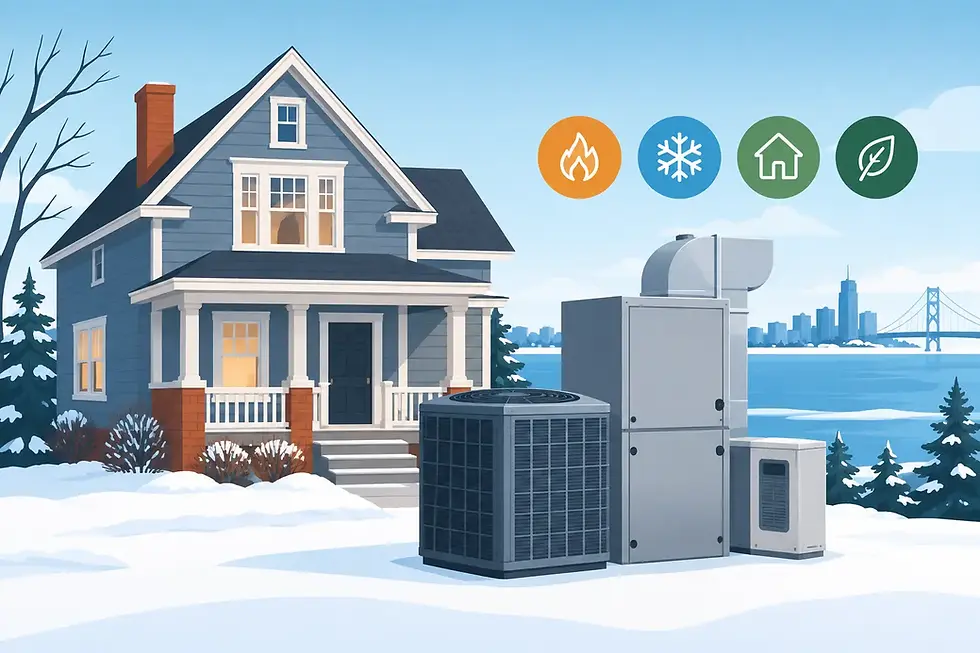
Michigan homes ask a great deal of their heating and cooling systems. A furnace may run hard through a prolonged cold snap, while air conditioning needs to handle humid summer afternoons just months later. Professional HVAC installation is what turns new equipment into dependable home comfort - not simply on the day it is installed, but through the seasons ahead.
The right system should heat and cool each room consistently, manage energy use responsibly, and fit the way your household lives. That outcome starts with a plan built for the home, not a quick equipment swap based only on what was there before.
What Professional HVAC Installation Should Solve
An HVAC system is more than a furnace and air conditioner. It is a connected comfort system that includes equipment sizing, ductwork, airflow, thermostat control, ventilation, drainage, electrical connections, and safe fuel or refrigerant lines. A problem in one area can affect the performance of the entire system.
For homeowners, proper installation should solve practical concerns. Bedrooms should not be noticeably colder than the living room in January. Upstairs rooms should not become uncomfortable in July. Equipment should cycle correctly rather than turning on and off too often, and utility costs should reflect the efficiency of the system you selected.
High-efficiency equipment can be an excellent investment, but it cannot correct poor design or installation. Even a premium system can waste energy, struggle with humidity, or wear prematurely when airflow and sizing are overlooked. Expert climate control means matching the full installation to the home’s actual needs.
Start With the Home, Not the Equipment
Every residential project has different demands. Square footage matters, but it is only one part of the decision. Window placement, insulation levels, ceiling height, home orientation, occupancy, room additions, duct condition, and the age of the structure all influence the heating and cooling load.
Proper sizing protects comfort and efficiency
An oversized system is not automatically better. It may heat or cool a space quickly, then shut off before it can distribute air evenly or remove enough humidity. Frequent short cycling can increase wear and reduce comfort.
An undersized system has the opposite problem. It may run continuously during extreme weather and still fall short of the temperature your home needs. Proper sizing gives the system a realistic workload, supporting consistent operation and efficient performance.
A professional evaluation considers the home rather than relying on a rule of thumb. This is especially important in Michigan, where heating capacity must be ready for serious winter conditions without sacrificing efficient summer cooling.
Airflow deserves as much attention as equipment
Conditioned air still has to travel where it is needed. Ductwork that is undersized, leaking, poorly routed, or disconnected can prevent an otherwise capable system from performing well. In a remodel, existing ducts may not have enough capacity for a finished basement, expanded kitchen, new primary suite, or second-story addition.
Airflow planning can involve duct modifications, return-air improvements, vent placement, or zoning considerations for homes with very different temperatures between floors. The right approach depends on the layout and the project scope. The goal is not more airflow in every situation. It is balanced airflow delivered where the home needs it.
Controls should make comfort easier
A thermostat is the daily connection between your household and the HVAC system. Modern controls can provide scheduling, remote access, system alerts, and more precise temperature management. However, the best option depends on the equipment and how the household uses the home.
For some homeowners, a straightforward programmable thermostat is ideal. Others benefit from smart controls that accommodate changing work schedules or allow monitoring while away. During installation, the controls should be selected and configured to support the system rather than adding features that will go unused.
HVAC Installation for New Construction
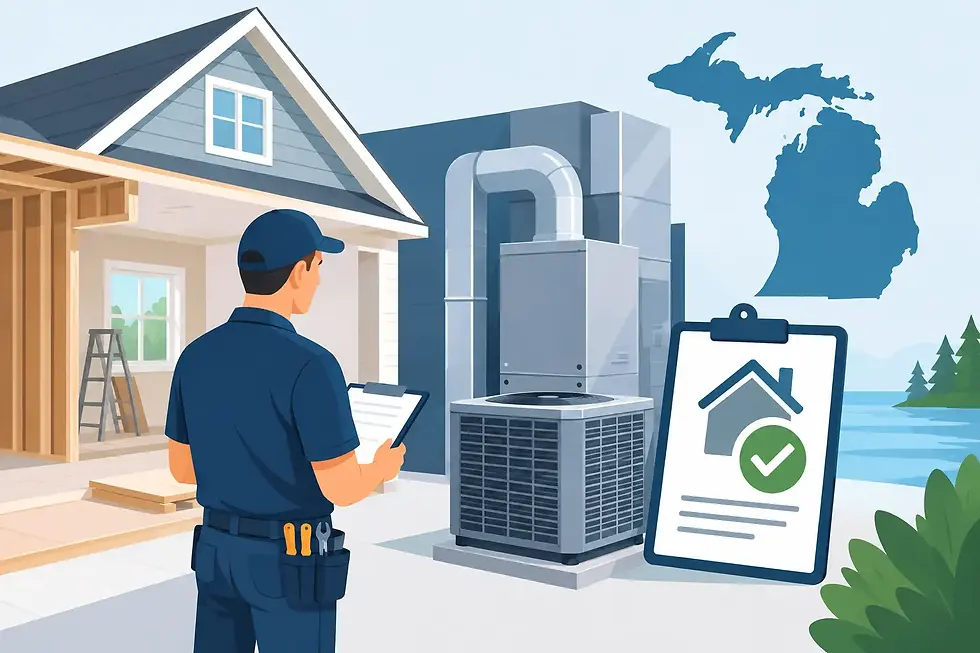
New construction provides the opportunity to design comfort into the home from the beginning. Instead of adapting equipment to older limitations, the HVAC plan can account for the floor plan, insulation strategy, window selections, ceiling details, and intended use of each space.
Early coordination matters. Duct routes need room within framing, mechanical equipment needs accessible service space, and supply and return locations should work with the finished layout. A well-planned installation helps avoid awkward soffits, crowded utility areas, and last-minute changes that compromise performance.
For a new home, equipment efficiency should be considered alongside the building envelope. A tightly built, well-insulated home may have different needs than an older house of the same size. The right design helps create dependable temperatures while avoiding unnecessary energy use.
Planning HVAC for a Remodel or Addition
A remodel often changes the way a home handles heat and cooling. Removing walls can alter airflow. Converting an attic or basement into living space introduces rooms that were never designed for year-round comfort. An addition can place a greater demand on an existing system that was properly sized for the original home but not for the expanded one.
Sometimes the existing HVAC equipment can support the project with targeted ductwork changes. In other cases, an upgrade, supplemental system, or zoning solution may make more sense. There is no one-size-fits-all answer, and the lowest upfront-cost option is not always the most economical over time.
The best time to address HVAC planning is before walls are closed and finishes are selected. This gives homeowners, builders, and remodelers more flexibility to build comfort into the project instead of trying to correct uneven temperatures after the work is complete.
When an HVAC Changeout Is the Better Choice
Replacing an aging furnace or air conditioner is often prompted by a breakdown, but equipment age is only one factor. Rising repair costs, uneven temperatures, persistent noise, poor humidity control, and higher utility bills can all point to a system that is no longer meeting the home’s needs.
A changeout should include more than selecting a replacement with a similar capacity. The home may have changed since the original equipment was installed. Insulation may have improved, windows may have been replaced, or an addition may have altered the layout. Reviewing the existing system and ductwork helps prevent old design issues from being carried into new equipment.
There are trade-offs to consider. Repair can be sensible when a newer system has an isolated issue. Replacement may be the stronger long-term decision when a unit has repeated failures, uses outdated technology, or cannot provide the efficiency and reliability your household expects.
What to Expect During the Installation Process
A dependable residential installation begins with a clear project assessment and equipment recommendation. Homeowners should understand what is being installed, why it fits the home, and whether ductwork, controls, electrical work, or ventilation improvements are part of the scope.
On installation day, the work should be orderly and safety-focused. Existing equipment is removed as needed, new components are positioned and connected, and the system is tested for correct operation. For air conditioning and heat pump equipment, refrigerant work must be completed carefully. For furnaces, combustion and venting must be evaluated to support safe performance.
The final steps are essential. A system should be started, checked, and adjusted rather than simply switched on. Airflow, thermostat operation, temperature response, drainage, and equipment settings all deserve attention. Homeowners should also receive a clear explanation of how to operate the new system and when to schedule maintenance.
Protect the Performance You Paid For
Installation sets the foundation, but ongoing care keeps a system operating as designed. Regular filter changes support airflow and help protect equipment. Keeping outdoor equipment clear of leaves, snow, and debris also helps it operate efficiently. Seasonal maintenance gives a technician the opportunity to identify wear or performance concerns before they become a no-heat or no-cooling call.
Pay attention to changes in comfort as well. A room that becomes consistently warmer or colder, unusual cycling, new noises, or a sudden increase in energy use are worth addressing early. Small adjustments are often easier to make before they create a larger system problem.
For new construction, remodeling, or a needed replacement, Four Seasons Heating & Cooling LLC helps Michigan homeowners make installation decisions with confidence. A tailored assessment and free quote can turn a complex equipment decision into a practical plan for efficient, reliable comfort at home.

Comments