
Are Heat Pumps Right for Michigan Homes?
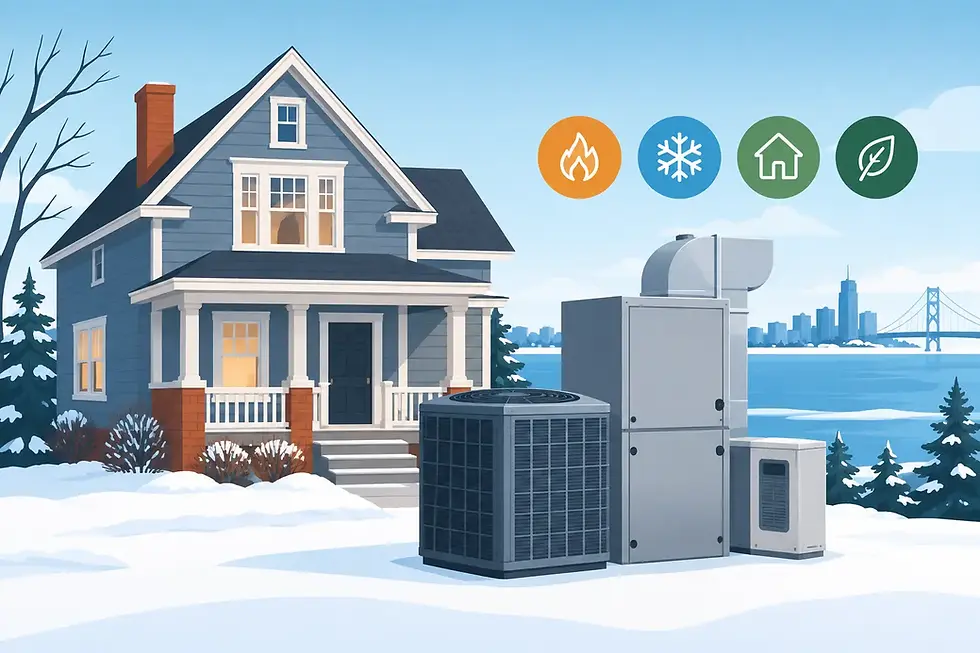
A Michigan winter can expose every weakness in a home’s heating system. Rooms over the garage run cold, the furnace seems to run constantly, and energy bills climb just when comfort matters most. Heat pumps give homeowners a different way to manage that challenge by providing both heating and cooling from one high-efficiency system.
For the right home and installation plan, a heat pump can deliver steady indoor comfort through changing Michigan weather while reducing reliance on traditional fuel-fired heating. The key is not simply choosing a unit with a high efficiency rating. It is choosing equipment that fits the home, the climate, the ductwork, and the way your household actually lives.
How Heat Pumps Heat and Cool a Home
A heat pump moves heat rather than creating it through combustion. During cooling season, it pulls heat from inside the home and transfers it outdoors, much like a central air conditioner. During heating season, the process reverses. The system gathers available heat from outdoor air and brings it inside.
That concept can sound surprising when temperatures fall below freezing. Even cold outdoor air contains heat energy. Modern cold-climate equipment is designed to capture that energy at much lower temperatures than older heat pump systems could handle.
Because the same equipment can provide air conditioning in summer and heating in winter, heat pumps are especially appealing for homeowners replacing both an aging furnace and air conditioner. They can also be an excellent fit for new construction and major remodels where the heating and cooling plan is being designed from the beginning.
Are Heat Pumps Effective in Michigan Winters?
Yes, properly selected heat pumps can work well in Michigan. But “properly selected” is doing a lot of work in that sentence. A system that performs well in a mild climate may not be the right choice for a home that experiences extended stretches of freezing temperatures, snow, wind, and rapid weather swings.
Cold-climate heat pump models are built to maintain useful heating capacity at low outdoor temperatures. Their performance still changes as the weather gets colder, which is why many Michigan homes use a supplemental heat source. Depending on the system and home, that may be electric heat strips, an existing gas furnace, or another planned backup option.
A dual-fuel setup pairs a heat pump with a gas furnace. In milder winter weather, the heat pump handles the heating load efficiently. When temperatures reach a preset point where gas heat makes more practical sense, the furnace takes over. This approach can offer dependable comfort while giving homeowners flexibility around energy use.
An all-electric heat pump system can also be a strong choice, particularly in a well-insulated home with the right electrical capacity and equipment design. The best option depends on local utility costs, the home’s heat loss, comfort expectations, and whether existing equipment is being retained or replaced.
Efficiency Is More Than an Equipment Rating
Heating efficiency ratings are helpful, but they do not tell the full story. A high-rated system installed with poor airflow, undersized ducts, or incorrect refrigerant charge will not provide the performance a homeowner expects.
A professional installation considers the entire comfort system. That includes the home’s insulation levels, windows, air leakage, duct condition, electrical service, thermostat location, and the amount of heat each room loses in winter. Good design is what turns efficient equipment into reliable day-to-day comfort.
Choosing Between Ducted and Ductless Heat Pump Systems
Heat pumps can be installed in several ways. The right format usually depends on the home’s layout and the scope of the project.
A ducted heat pump works with a central forced-air distribution system. It is often a natural fit for a system changeout when the home already has ducts in good condition. It can also be designed into new construction, allowing the contractor to plan equipment placement, return air paths, and duct sizing before walls are finished.
Ductless mini-split heat pumps use an outdoor unit connected to one or more indoor air handlers. They are useful where extending ductwork is difficult or unnecessary, such as a new addition, finished basement, converted attic, sunroom, or garage apartment. Because individual indoor units can serve separate areas, ductless systems can provide targeted comfort in spaces that have always been difficult to heat or cool.
Neither option is automatically better. A central ducted system may suit a whole-home replacement, while a ductless unit may solve a specific comfort problem during a remodel. Some homes benefit from a combination of both.
When a Heat Pump Makes Sense for Your Project
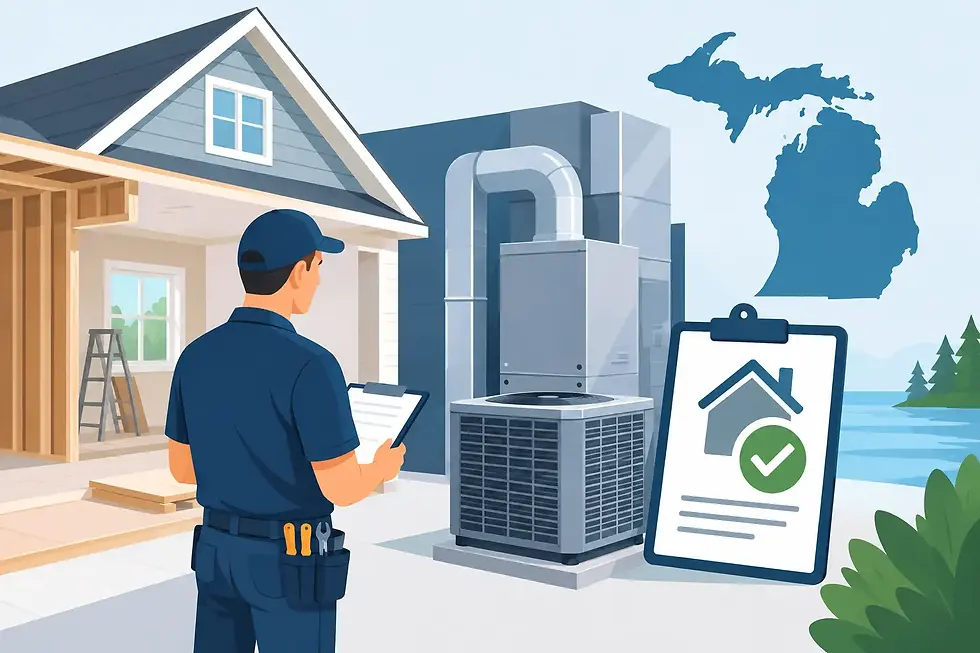
Heat pumps deserve consideration in three common residential situations: new builds, remodeling projects, and HVAC replacements.
For new construction, the advantage is planning. The heating and cooling system can be matched to the home’s insulation package, layout, window placement, and expected occupancy before construction is complete. Proper equipment sizing and duct design are far easier when the system is not being forced into an existing setup.
For a remodel, a heat pump may help address changed conditions in the home. Adding square footage, opening walls, finishing a lower level, or converting an attic can alter how air moves and how much heating and cooling the house needs. Relying on the original system without reassessing capacity can leave new spaces uncomfortable and place extra strain on existing equipment.
For a changeout, heat pumps can be a practical upgrade when an old air conditioner, furnace, or both have reached the end of their service life. Homeowners should avoid replacing equipment solely based on the size of the old unit. The old system may have been oversized, undersized, or installed before improvements such as new windows, insulation, or air sealing changed the home’s needs.
What Affects Heat Pump Cost and Performance
Equipment cost matters, but it should not be the only decision point. The lowest initial price can become expensive if the system is poorly matched to the home or requires avoidable repairs and adjustments later.
The overall investment can be affected by the type and capacity of equipment, whether ducts need repair or modification, electrical upgrades, indoor air quality additions, thermostat controls, and backup heating requirements. A ductless installation may have different cost factors than a central ducted replacement. A new build has different planning opportunities than a finished home with limited access.
Operating cost also varies. Electricity and natural gas rates, thermostat habits, insulation quality, and winter temperatures all influence what a homeowner pays to stay comfortable. Heat pumps are not a one-size-fits-all promise of lower bills. They are an efficient technology that must be paired with a well-designed home comfort plan.
Sizing Is a Comfort Decision
Oversized equipment does not automatically provide better heating. It can cycle on and off too frequently, create uneven temperatures, and reduce humidity control during cooling season. Undersized equipment may run for long periods and struggle to keep up during extreme weather.
Accurate sizing starts with a room-by-room load calculation, not a quick estimate based on square footage. This calculation evaluates how the house gains and loses heat. It gives the installer the information needed to recommend capacity, airflow, duct improvements, and a backup heat strategy that fits the property.
Questions to Ask Before Installing a Heat Pump
Before committing to a system, homeowners should have clear answers about how it will operate during Michigan cold snaps, what backup heat is included, and whether the existing ducts can support the new equipment. It is also reasonable to ask how the system will be sized, where outdoor equipment will be located, and what controls will manage the switch between heat pump and supplemental heat.
Ask about comfort in the rooms that matter most, not just the thermostat in the hallway. A thoughtful contractor will consider bedrooms, additions, upper floors, basements, and areas with large windows or challenging airflow. The goal is a system that supports consistent comfort throughout the home, not simply equipment that turns on.
Four Seasons Heating & Cooling helps Michigan homeowners evaluate heat pumps as part of a complete residential climate-control plan. Whether you are building, remodeling, or replacing aging equipment, the right recommendation should be based on your home’s real needs and your confidence in its performance through every season.
A heat pump is worth considering when you want heating and cooling designed around long-term comfort, not a quick replacement based on what was already there. Start with a professional assessment, ask practical questions, and choose a system plan that gives your home dependable comfort when Michigan weather changes its mind again.

Comments