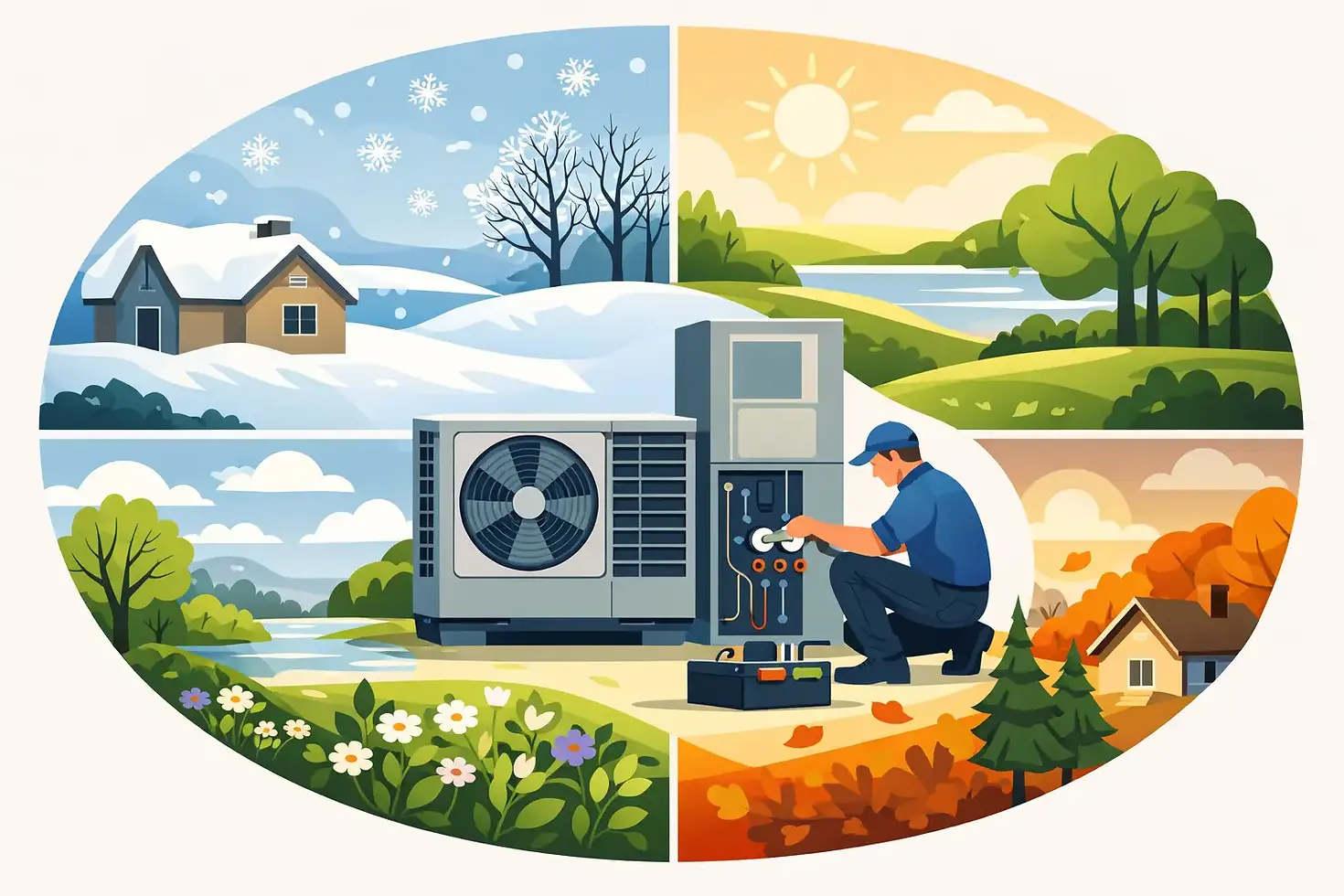
When to Schedule HVAC Changeout in Michigan
A furnace that needs repeated repairs in January or an air conditioner that cannot keep upstairs bedrooms cool in July creates more than a temporary inconvenience. In Michigan, an aging system can quickly affect your comfort, energy use, and confidence in your home. Knowing when to schedule HVAC changeout work gives you time to make a sound decision instead of choosing equipment under pressure during extreme weather.
A changeout is the replacement of existing heating and cooling equipment, often including the furnace, air conditioner or heat pump, coil, and related components needed for proper operation. It is an opportunity to improve year-round performance, but the best results depend on more than selecting a high-efficiency model. Your home, comfort needs, existing ductwork, and installation timing all matter.
Signs It Is Time to Schedule HVAC Changeout
Most homeowners do not need to replace equipment simply because it has reached a certain birthday. Well-maintained systems can provide dependable service for many years. Still, age becomes more meaningful when it is paired with declining performance, rising repair costs, or uneven comfort throughout the house.
If your furnace or air conditioner needs frequent service, makes new or persistent noises, runs longer than it once did, or struggles to hold the thermostat setting, it is worth requesting a professional evaluation. A single repair may be sensible. Replacing a major component on equipment nearing the end of its expected service life may not be the strongest long-term investment.
Energy bills can also tell part of the story. Utility costs change with weather and household habits, so one high bill does not automatically mean your HVAC equipment has failed. However, steadily higher costs with no clear explanation may point to lost efficiency, airflow issues, or equipment that is working harder to deliver the same comfort.
Pay attention to the rooms your family uses most. Cold floors, warm second-story rooms, excess indoor humidity, and inconsistent temperatures can signal that the current system is no longer meeting the home’s needs. In some cases, the solution is equipment replacement. In others, duct improvements, better return-air design, insulation work, or thermostat adjustments may be part of the recommendation.
The Best Time to Schedule HVAC Changeout Work
The ideal time is before the system becomes an emergency. Planning a replacement in spring or fall often gives homeowners more flexibility because heating and cooling demand is generally less intense. You can compare options, consider efficiency levels, and schedule installation around your household rather than around a system failure.
That said, a planned replacement is not always possible. If a furnace fails during a Michigan cold snap or an air conditioner stops during a humid summer stretch, prompt action matters. A qualified residential HVAC contractor can help you identify practical equipment options and move the project forward efficiently. The key is not to delay a needed replacement solely because the season is busy.
Home remodeling is another smart time to plan a changeout. Adding finished square footage, opening walls, converting an attic, or creating a new primary suite can change the heating and cooling load of the home. Installing new equipment without considering the remodeled layout can leave certain areas uncomfortable and put unnecessary strain on the system.
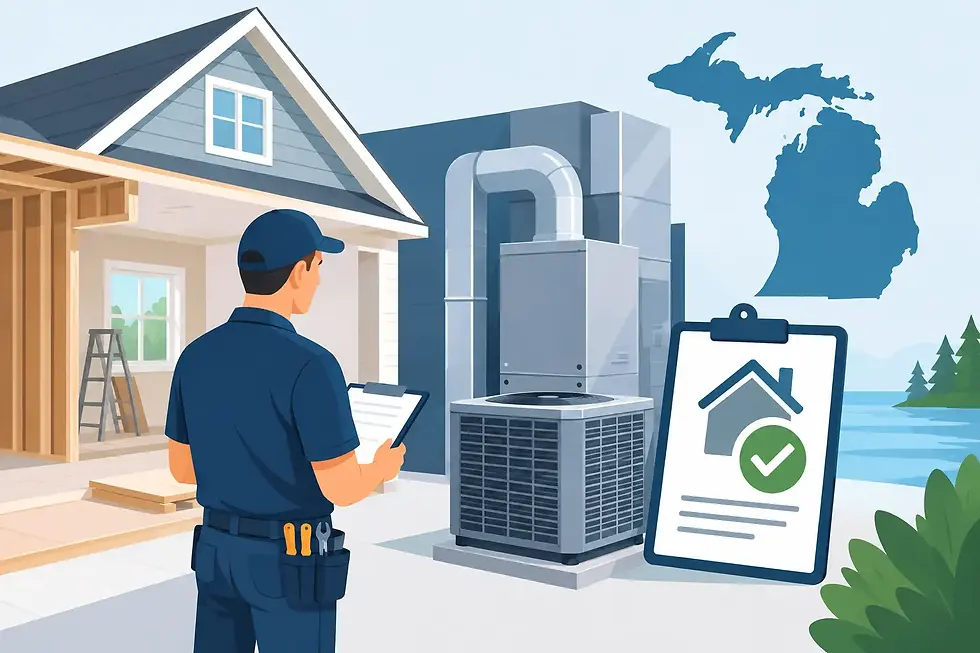
For new construction, HVAC planning should begin well before installation day. Equipment location, duct routes, return-air placement, ventilation needs, and insulation levels all affect the final design. Early coordination helps protect comfort without sacrificing usable space or the look of the finished home.
Why Waiting Can Cost More
Waiting until equipment fully fails can narrow your choices. You may need whatever compatible system is available immediately, rather than the system that best fits your home and priorities. An emergency replacement can still be completed professionally, but homeowners typically have less time to consider efficiency, controls, comfort features, and budget.
There is also a comfort cost. A system that is limping along may run constantly, leave rooms uneven, or create humidity problems long before it stops altogether. Replacing it on your schedule can prevent a difficult stretch without dependable heat or cooling.
What a Proper HVAC Changeout Should Include
A changeout should not be treated as a simple equipment swap. Even when the new unit is installed in the same location, the contractor should evaluate the conditions that will affect performance. Proper sizing is essential. An oversized system can cycle on and off too quickly, while an undersized system may struggle during the hottest and coldest periods.
A residential evaluation should account for the home’s square footage, layout, window exposure, insulation, air leakage, occupancy, and remodel plans. This is why replacing a unit with the same capacity number is not always the right answer. Changes to the home since the last installation may mean its heating and cooling requirements have changed as well.
The existing duct system deserves attention, too. Leaky, undersized, poorly routed, or unbalanced ducts can limit the value of even excellent new equipment. Some homes only need minor adjustments. Others benefit from more substantial duct modifications, particularly when certain rooms have never been comfortable.
Installation details matter just as much as equipment selection. Correct refrigerant charging, electrical connections, drainage, airflow setup, and thermostat configuration support efficiency and dependable operation. The equipment’s published performance ratings assume it is installed and commissioned properly in the home.
Choose Equipment for How You Live
High-efficiency equipment can reduce energy waste and improve comfort, but the right system depends on your household goals. A homeowner who plans to stay in the home for many years may prioritize higher efficiency, quieter operation, or advanced temperature control. Someone preparing a home for sale may have different budget and performance considerations.
Michigan homes also need reliable heating performance. A modern furnace and central air conditioner remain a strong solution for many properties. Heat pumps can be an excellent option for homeowners interested in efficient electric heating and cooling, especially when designed with appropriate backup heat and matched to the home’s needs. There is no single best answer for every house.
Indoor air quality may be part of the decision as well. If family members deal with dry winter air, allergies, dust, or humidity concerns, a changeout can be the right time to consider compatible filtration, humidity control, or ventilation improvements. These options should address an actual comfort concern, not simply add complexity.
Prepare Your Home for Installation Day
Once you schedule HVAC changeout service, a little preparation helps the project stay organized. Clear a path to the furnace, air handler, electrical panel, and outdoor equipment location. Move stored items away from mechanical areas, and make arrangements for pets so technicians can work safely and doors can be opened as needed.
Ask the contractor how long the installation is expected to take and whether the home may be without heating or cooling for part of the day. Most standard residential replacements can be completed efficiently, but the timeline can change when duct modifications, electrical upgrades, unexpected equipment conditions, or extensive remodeling work are involved.
Before work begins, make sure you understand what is included in the proposal. It should identify the equipment being installed and explain any planned duct, electrical, thermostat, drain, or accessory work. A clear scope helps prevent surprises and gives you confidence that the project is designed for your home rather than treated as a generic replacement.
Protect the Investment After Installation
A new HVAC system performs best with regular filter changes and routine professional maintenance. Keep outdoor equipment clear of leaves, snow buildup, and debris. Avoid closing too many supply registers in an attempt to redirect air, since restricted airflow can affect system operation.
It is also helpful to pay attention during the first heating and cooling seasons. Learn how the thermostat settings work, notice whether comfort has improved in problem rooms, and contact your contractor if something does not seem right. Small adjustments after installation can make a meaningful difference in how the system feels throughout the home.
For homeowners replacing aging equipment, Four Seasons Heating & Cooling LLC provides expert residential changeout planning focused on efficient performance and dependable comfort. A free quote is a practical first step toward choosing equipment that fits your home, your project, and Michigan’s changing seasons.
The right time to replace HVAC equipment is often before the old system forces the decision. Start the conversation while you still have options, and you can move forward with a solution built for comfortable living in every season.

Comments